
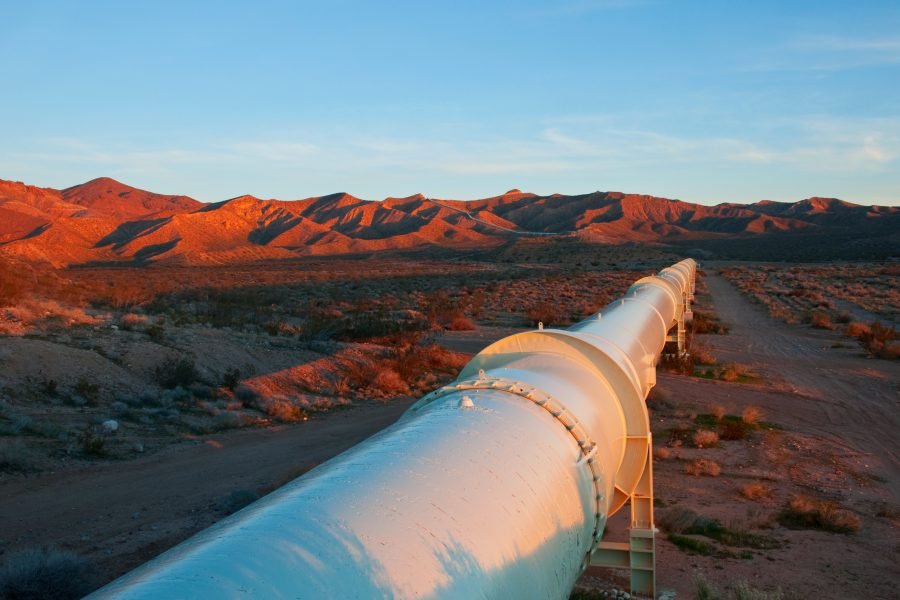
As Africa pursues deeper regional integration, the Nigeria–Morocco Gas Pipeline (NMGP) signifies the continent’s growing ambition to develop large-scale energy infrastructure to reshape trade, drive economic transformation, and expand strategic influence. But we ask the critical political-economic questions about ownership, dependency, value capture, and how regional powers negotiate influence and control over the trajectory of Africa’s infrastructure.
The Nigeria–Morocco Gas Pipeline (NMGP) heralds Africa’s growing turn towards infrastructure-led regionalism, with regional powers reorganising economic geography and negotiating continental influence through multilateral energy diplomacy. The NMGP links Nigeria’s gas reserves to West African and European markets through Morocco. If completed as planned, the gas pipeline could become the world’s longest offshore pipeline, linking African gas to global energy markets. The project, spanning more than 5,000 kilometres [around 7,000 kilometres including the supply branches to the countries through whose waters it passes], was conceived in 2016 to deliver approximately 30 billion cubic metres of gas per year, making it one of the largest trans-continental energy infrastructure initiatives in Africa. The pipeline connects 12 ECOWAS countries, beginning in Nigeria (via Benin, Togo, Ghana, Côte d’Ivoire, Liberia, Sierra Leone, Guinea, Guinea-Bissau, Gambia, Senegal, and Mauritania), then to Morocco and later to Spain (in Europe).
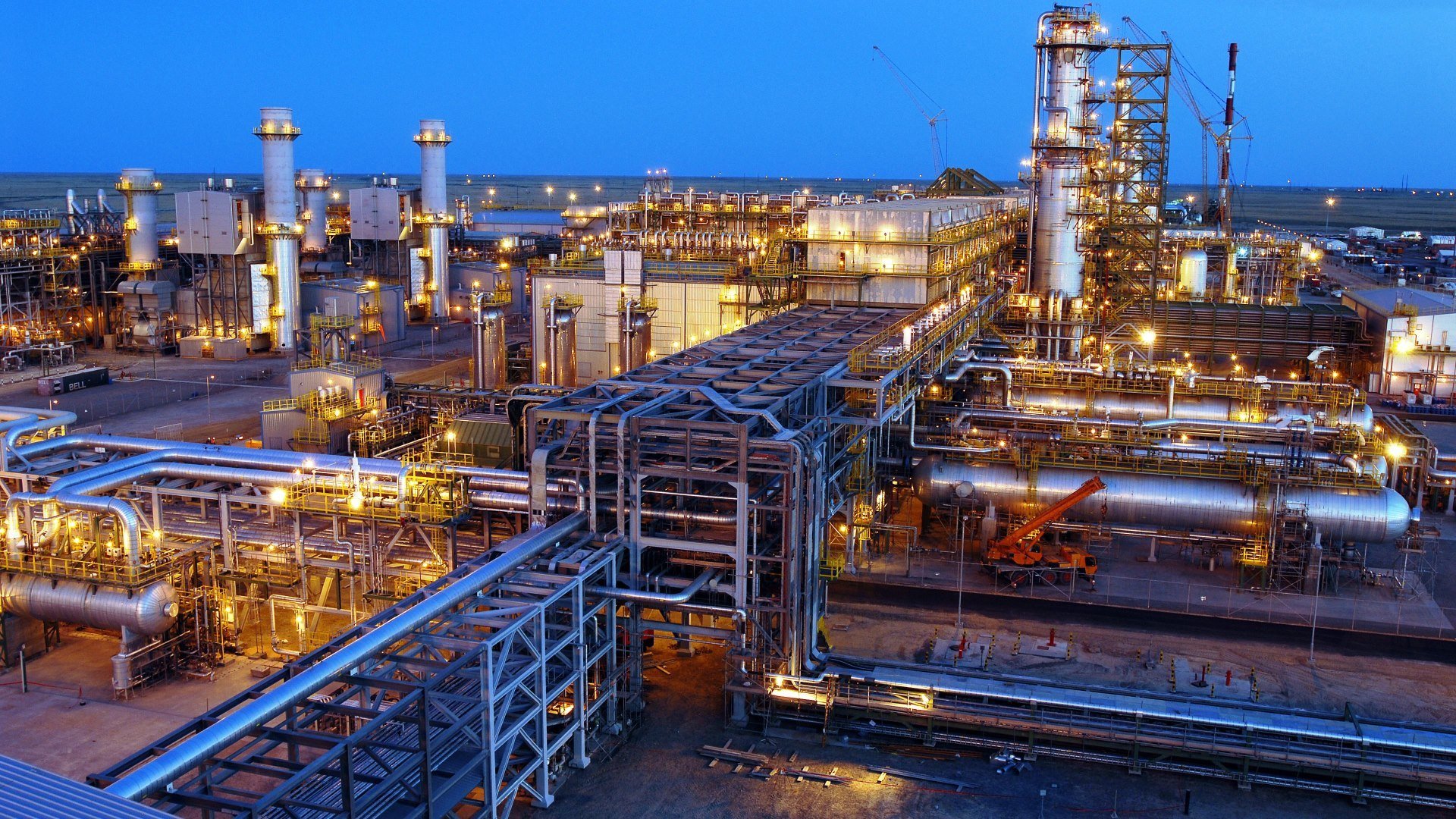
The estimated $25 billion gas pipeline would be financed through a combination of state-backed funding, multilateral development financing, and private sector investment. Early project support has come from the Nigerian National Petroleum Company (NNPC) and Morocco’s National Office of Hydrocarbons and Mines (ONHYM), while institutions such as the Islamic Development Bank (IsDB), the OPEC Fund for International Development, and the European Investment Bank (EIB) have been linked to financing discussions surrounding the project. This emerging financing structure denotes the growing involvement of African, Gulf, and European actors in influencing the future direction of African infrastructure systems.
A cursory review of the financing architecture bears the age-old question often posed by those oriented towards alternative development: who pays, who owns, who controls, and who ultimately benefits? These policy-relevant questions must be addressed by the regional actors [ECOWAS, AU] with clear responses on the political economy of infrastructure financing on the continent. The adverse effects of poorly negotiated foreign-investment agreements have created asymmetrical relations that have drained Africa of valuable assets through capital flight. This perpetuates the long-standing structure of extractive trade relations in which African resources continue to generate disproportionate value outside the continent. A financing structure heavily dependent on external capital reinforces Africa’s dependency on the developed world. The NMGP, if strategically pursued, promises a rare model of shared value creation that connects continents and distributes ownership and revenue.
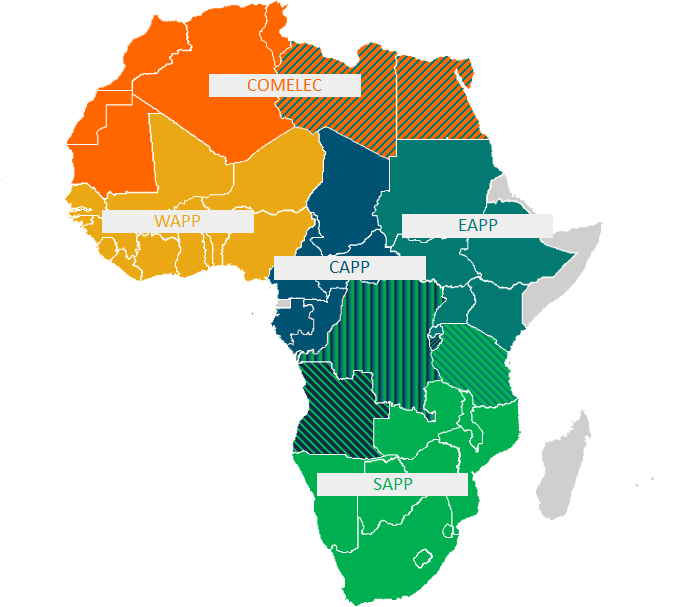
For proper context, the NMPG should be examined within the broader framework of Africa’s infrastructure integration, which aligns with the AU’s current continental logic of developmental regionalism. Inaugurated in Lusaka, Zambia, in 2002, the African Union [AU] was established as a transformative successor of the Organisation of African Unity [OAU], imbued with the ideals and policy practices of new regionalism. At the outset, the operative clauses of the AU recognised the importance of the Regional Economic Communities [RECs] as the institutional pillars of regional integration in Africa.
RECs and the AU have advanced shared goals and projects, with signed protocols and programmes in the energy infrastructure sector. The Programme for Infrastructure Development in Africa [PIDA], the African Continental Power System Masterplan, and the Trans-Saharan Gas Pipeline all represent AU/continental-linked projects.
The West Africa Gas Pipeline [WAGP], the Gambia River Basin Development Organisation [OMVG] Interconnecting Project, and the Côte d’Ivoire, Liberia, Sierra Leone and Guinée [CLSG] Interconnection project constitute earlier attempts by ECOWAS to ensure a shared energy supply across the region. The NMGP is a multi-scale infrastructure that must be understood as a mechanism for regional integration and development, consistent with the AU’s plan to coordinate isolated and disconnected energy projects into large energy pools across Africa.
This scale of cross-border infrastructure aligns with ECOWAS’s enduring economic integration plans and the objectives of the African Continental Free Trade Area(AfCFTA), whose trading window opened in 2022. The AfCFTA is expected to connect multiple economies through a single market, reduce transaction costs, and stimulate intra-African trade, which has risen modestly from about 11 to 16 per cent. The United Nations Economic Commission for Africa (UNECA) observes that African trade is still significantly lower than levels observed in Europe [60-70%] and Asia [50-60%]. These deeper levels of integration in other regions explain the strategic emphasis on cross-border infrastructure projects such as the NMGP, intended to reduce connectivity constraints and deepen regional economic integration.

Morocco, the project’s main partner, has, in recent years, expanded its footprint in Africa through sports infrastructure and, now, multilateral energy diplomacy that brings together the entire littoral states of West Africa, with Nigeria serving as the anchor state. Geopolitically, the project operates in a competitive landscape with Algeria’s Trans-Saharan Pipeline (TSGP), a 4,128-kilometre pipeline project with the capacity to transport 30 billion cubic metres of gas annually, which connects the same Nigerian gas reserves to Europe via Algeria. There has been a power rivalry between Morocco and Algeria over the annexation of the Western Sahara. Algeria supports the POLISARIO Front against Morocco, a neighbour and co-member of the Arab Maghreb Union [AMU], creating visible tensions and disruptions in North Africa’s regionalism. Algeria and Morocco have long maintained a shifting diplomacy between détente and rivalry; nonetheless, irreconcilable bilateral and regional choices culminated in the severance of diplomatic relations in 2021.
The NMGP and TSGP extend the domain of regional competition beyond the Maghreb to include infrastructure, market access, and influence in Africa. Amid these long-standing political challenges, Morocco’s deliberate, conscious continental investment strategy demonstrates how Rabat is leveraging infrastructure diplomacy to consolidate economic influence in West Africa through banking, telecommunications, and sports infrastructure. Some accounts suggest that Moroccan firms operate in more than 25 African countries, with West Africa receiving a substantial share of Moroccan outward foreign direct investment. Nigeria, strategically positioned between Morocco and Algeria, must balance its relations through a pragmatic multi-alignment strategy while avoiding direct involvement in the two-state power rivalry.
As an anchor supplier for both the NMGP and TSGP, Nigeria must strategically navigate competition between the two projects for economic outcomes without depending on either corridor. On the strategic level, Nigeria can deepen security cooperation with Algeria on joint counter-terrorism and Sahel stability, and pursue economic and infrastructure relations with Morocco. This calibrated statecraft would enable Nigeria to preserve strategic flexibility, strengthen its continental influence, and prevent either Rabat or Algiers from dominating Africa’s energy and geopolitical engagement with Europe.
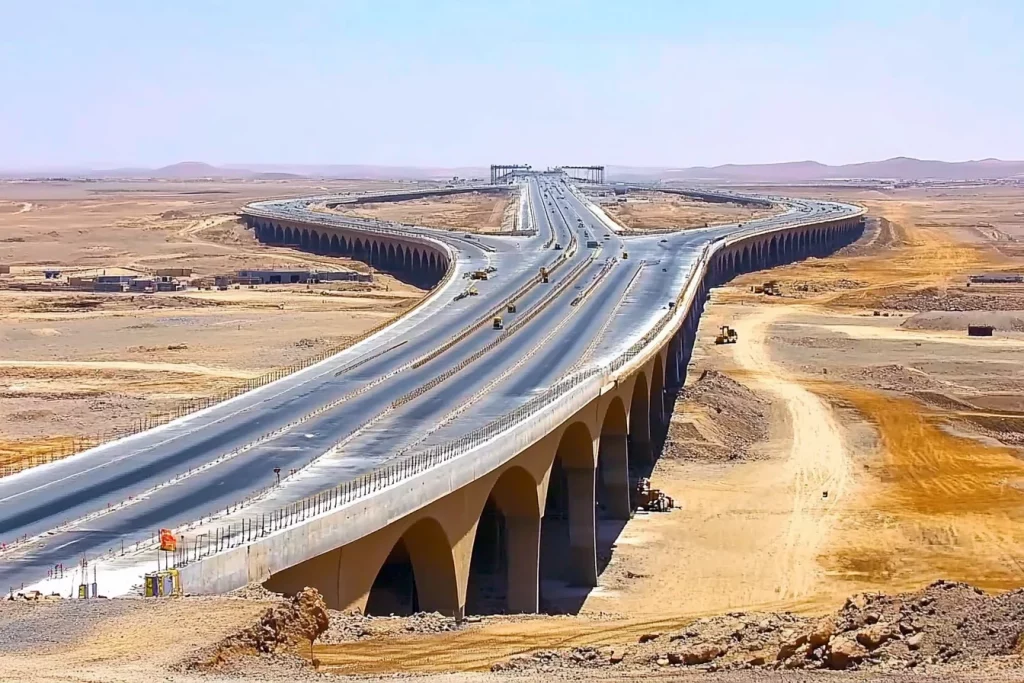
These grand energy projects have downsides, most notably their distributive and redistributive nature, which have polarised many small states in Africa’s regionalism calculus. They create new centres of accumulation while reinforcing peripheralisation elsewhere. Coastal economies connected directly to the pipeline may attract industrial activity, logistics infrastructure, energy-intensive production, and investment inflows. In contrast, inland economies would remain structurally marginal to the new corridor economy. Wealthier, economically robust states capture all the windfall from shared regional infrastructure, while poorer economies benefit little. This history has some implications for the proposed NMGP, as it could reshape West Africa and Africa’s economic geography. Key questions Foreign Africa is asking are: Would trade routes shift, and would new ones emerge? Would political alliances adapt to emerging interdependencies? The NMGP is likely to reinforce a coastal economic corridor, privileging countries along its route while potentially marginalising inland states. This raises the usual concerns about the political economy of spatial inequality: which states are central, and which would remain peripheral? The pipeline effectively determines who supplies energy, who consumes it, and who mediates its flow. In this emerging geography, anchor states such as Nigeria and Morocco are positioned to exert greater control over pricing, supply chains, and strategic direction. Transit countries may benefit from access and limited revenue streams; nonetheless, their influence over the broader energy supply system is constrained, creating a hierarchy of participation rather than an integrated system.
Africa’s Energy Transitions & Future
The NMGP would deepen regional integration through shared infrastructure, expand energy access, stimulate industrial growth, and reposition West Africa in global energy markets. Natural gas is a transitional or “bridge” fuel that can support industrialisation as cleaner technologies scale up, but the long-term viability of large-scale fossil-fuel infrastructure in a rapidly decarbonising global economy raises significant questions about Africa’s energy policy choices. Equally important are the political and institutional conditions surrounding implementation. The NMGP cuts through more than a dozen states with distinct regulatory systems, political priorities, and security conditions. Three different hypotheses are possible. [First], the pipeline strengthens regional connectivity, supports industrial expansion, and contributes to a more integrated West African economic area. In a limited scenario, benefits could be uneven, concentrated among stronger coastal economies and dominant anchor states[second]. If mismanaged, it would reproduce the same asymmetries and external dependencies that have historically constrained Africa’s development trajectory[third].
Welcome to the Conversation
Col. Augustine Awuku-Annie | Research Associate
Foreign Africa
Aleemah Williams | Research Associate
Foreign Africa
Elorm Mawuli-Kwawu | Founder/ Head of Global Engagement
Foreign Africa