
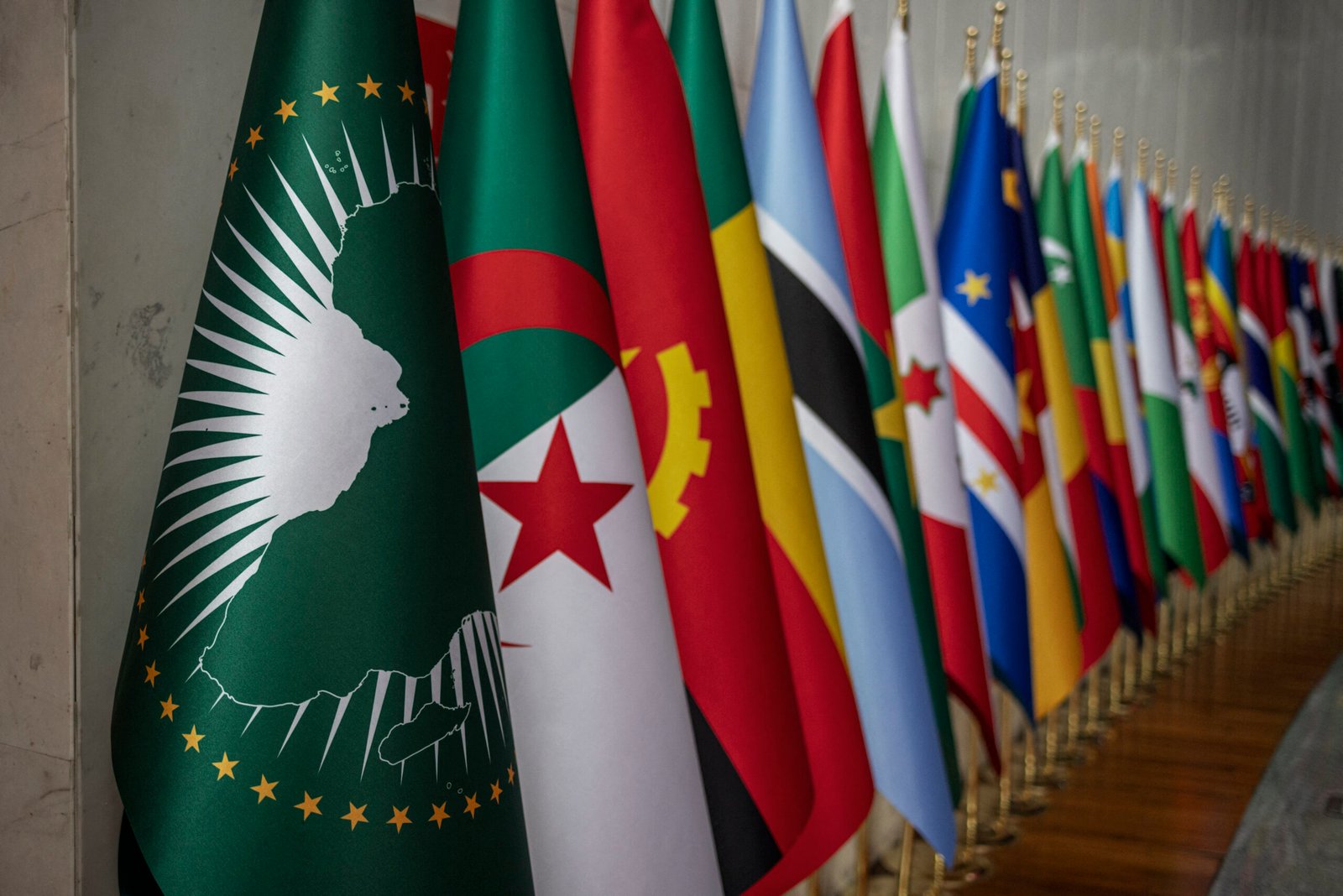
So much has changed over three decades since the last colonially administered African country gained self-rule. South Africa, despite its dual economic structure, has moved from a bifurcated, racially divided society towards a greater call for unity and national reconciliation.
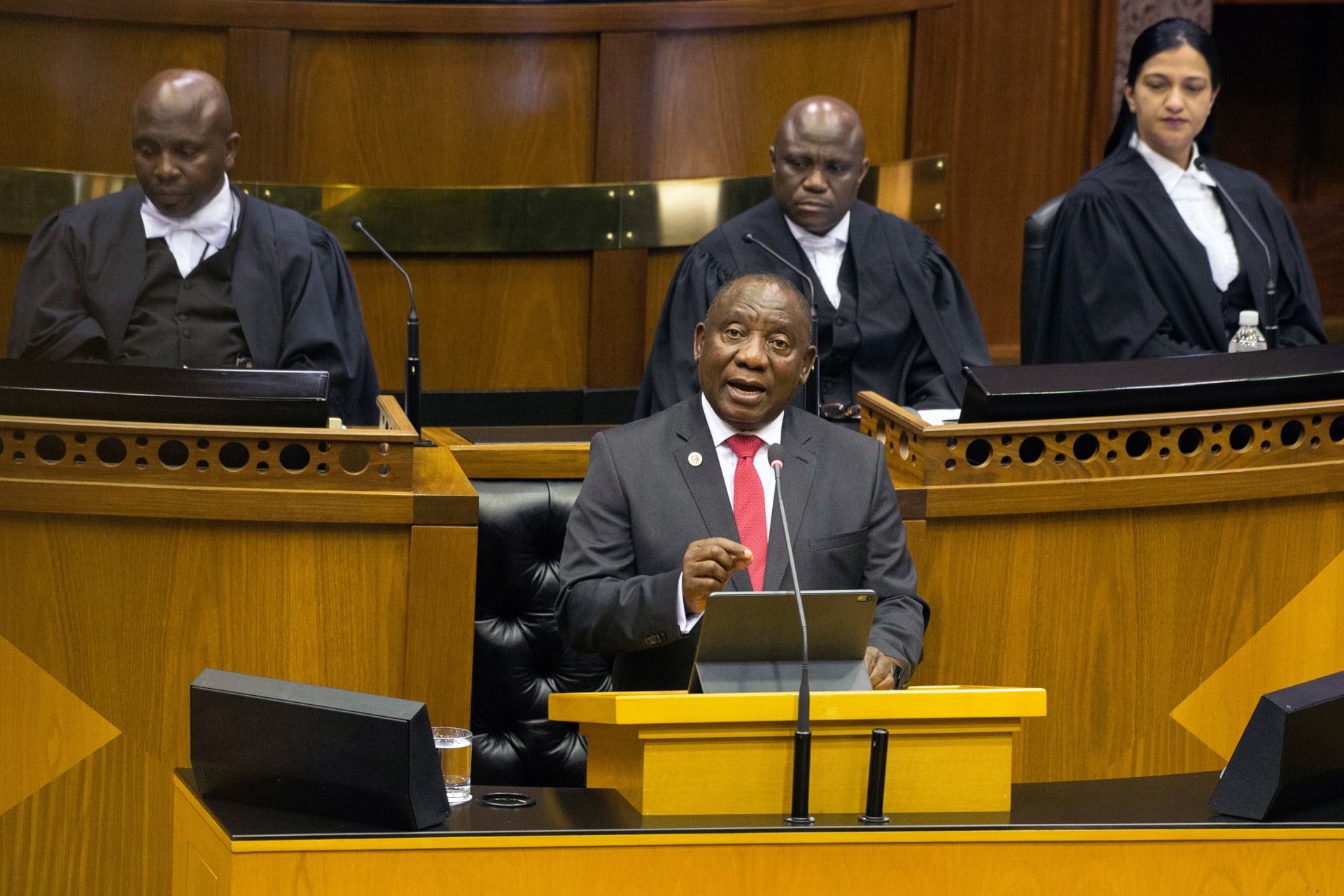
The last time I was in Pretoria for a training, I noticed many South Africans beaming with pride over sweeping government reforms aiming to redistribute land more fairly. Publicly available data show how arable lands were ‘unjustifiably’ shared among a divided nation, through the Land Acts of 1913 and 1916. At independence, Black South Africans, who make up 90% of the population, owned less than 10% of the land. Since 1994, land reforms have focused on three-pronged policies: restitution, redistribution, and tenure reform. We are watching how Cyril Ramaphosa goes through these reforms, which have already caused a diplomatic row between Pretoria and Washington.
The Republic of Ghana, well-regarded for its consistent democratic record, offers another case of shifting political dynamics. The returnee president of Ghana, His Excellency John Dramani Mahama, received an overwhelming endorsement of 57% of all adult voters who participated in the 2024 electoral process, communicating a firm rejection of the New Patriotic Party that had ruled Ghana since 2017. The most significant victory by an opposition party since the Fourth Republic, which is in its 33rdyear, must count for something. Either the outgoing government’s economic performance, underscored by internal and external ratings, must have been too biting, which triggered the rousing return of the former President who ruled between 2013 and 2017. Or, we are probably experiencing a burst of active mass citizen attention to political governance in Africa.
President John Mahama’s new government has already hit a cul-de-sac with Donald Trump. Public statements by the President, Vice-President and Foreign Minister Samuel Okudzeto Ablakwa have ruffled in the White House and Senate, triggering tariff reviews and visa restrictions. Well, HE John Dramani Mahama is building deeper bilateral and multilateral partnerships as he begins a tour of Japan and Singapore this week. Ghana has always had friends in the East.
This diplomatic balancing act is unfolding at a time when Africa’s political, economic and security landscape is also shifting. From the pessimistic tag of a ‘hopeless continent’ in 2000 to a ‘hopeful’ label in 2010, there has been some real progress in African development. Africa’s foreign policy has also evolved, as has its security situation. Non-state security actors (NSSA) are now in the security-military mix and are operating clandestinely. From mercenaries to private military companies, there are opportunities for NSSA who trade high-end protection services to politicians, VVIPs, and business executives in exchange for mining concessions and arms supplies.
Regardless, Africa is very stable, with a thriving Regional Organisation and Regional Economic Communities (RECs) like ECOWAS that continue to attract approbation as a pacesetter in redefining the norms of Peace Support Operations. The East Africa Community (EAC), a sub-regional group in East Africa and the Horn, is regarded as the most integrated sub-regional body in the global south beyond eliminating tariffs and factor mobility.
At the same time, noticeable shifts and recalibrations are unfolding in the global power orbit. The Politburo continues to challenge the longstanding primacy of the United States. Analysts have already predicted the decline of the United States in the coming decades. There are new alliances, renewed interests and power blocs taking shape. Asian governments are deepening old alliances and cultivating new strategic African partnerships through FOCAC, JICA, and KOICA. These agencies and foreign policy SPVs have adopted the strategy of creative involvement, where Asian governments influence political economy decisions in many African states by providing short- to medium-term infrastructure financing to African governments.
Against this backdrop of global repositioning, Africa has begun to assert a more proactive role in shaping international economic relations. A noticeable point of reference is Africa’s inroads in trade and infrastructure integration, embodied in the Africa Continental Free Trade Area (AfCFTA), the largest free trade area by size in the world. As described by AfDB and the World Bank, the African single market is a demonstration by the African Union to promote economic self-sufficiency, improve Africa’s low trade from about 12% to 55%, and build a stronger engagement with global markets.

Reinforcing Africa’s growing stature, the United Nations has resolved to move some of its agencies to Nairobi. This move, initiated by Secretary-General Antonio Guterres, signals recognition of Africa as an established pole of diplomatic influence and a more active player in global governance. African states are now negotiating at international climate talks as a bloc, pressing wealthier nations on ‘finance for adaptation’, loss, and damage. African voting blocs have tipped the balance on key resolutions at the United Nations. These developments indicate a shift from passive competition over Africa’s resources toward active African influence on global rules and norms.
These transformation raises critical questions. What does African influence look like in practice? How do African institutions, from the African Union to RECs, position themselves in a world where alliances are fluid? Can Africa leverage multipolarity to escape dependency, or will it be caught in overlapping spheres of great-power rivalry?
Africa is now at the table, with interests, voice and vision. At FOREIGN AFRICA, our job is cut out: to position the conversation where it belongs: within Africa and led by African perspectives.
FOREIGN AFRICA interrogates these questions through documentaries, podcast interviews and op-eds. We would also engage in everyday global conversations on investment agreements, climate and innovative policies, livelihood, and cities’ diplomacy. A key issue in the current debate concerns how the rise of China, Turkey, Russia, and the Gulf states is shaping the development and adoption of an ‘African foreign policy’ or what analysts call the African position. But what is the African position? The precise meaning is heavily contested.
Over the coming weeks, FOREIGN AFRICA will explore these themes in depth. Some essays will be analytical, unpacking concepts like ‘entrepreneurial diplomacy’. Others will be practical, offering ideas for how African states, civil society, and entrepreneurs can influence trade agreements, diaspora investment, and international cooperation that creates employment.
Today’s central question is not who seeks to compete in Africa, but how Africa competes and contributes to shaping the world.
Welcome to the conversation.
Elorm Mawuli-Kwawu | Founder/ Head, Global Engagement
Foreign Africa