
From Liberia to Tanzania, nine presidencies reveal how women’s rise to power exposes the progress and the fragility of African democracy.
Tanzania has been a key ideational vector of post-1960 Africa. Discourses on continental unity, African development planning, and Ujamaa communicate Tanzania’s pan-African position. Philosophical debates on post-colonialism and African integration, spearheaded by its post-colonial leader, Julius Nyerere, provided the programmatic impetus for Tanzania’s recognition in OAU and EAC politics. Mwalimu’s Ujamaa philosophy, as described by the respected Paul Tiyambe Zeleza, is founded on the principles of equality, self-reliance, and moral governance, presenting a distinctly African perspective on development and democracy. Sixty years on, the first elected female president of Tanzania is challenged to translate the tenets of Ujamaa, which guided the nation’s vision, to the realities of a new Tanzanian generation.
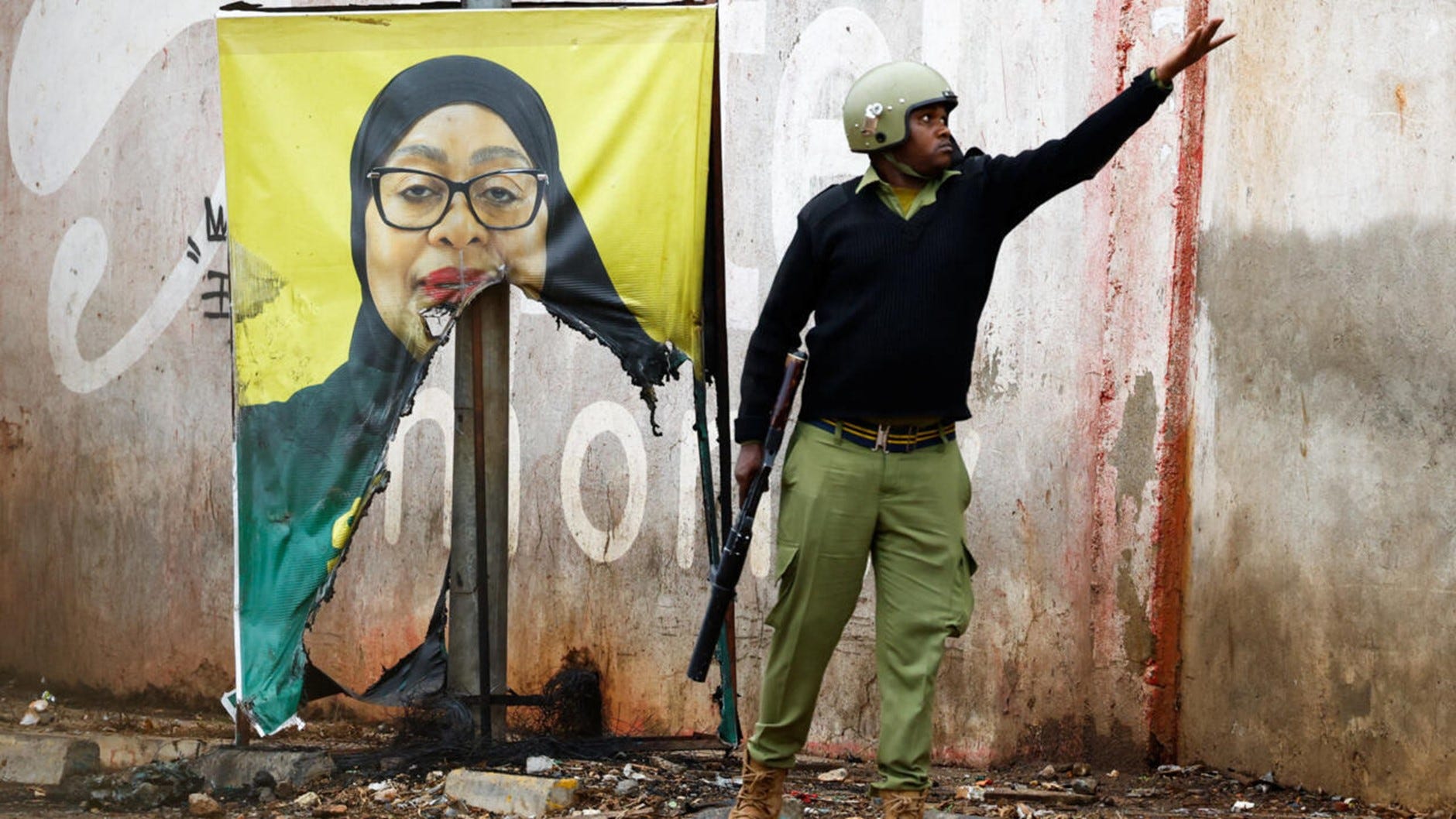
Samia Suhulu Hassan (Tanzania-2021-Present)
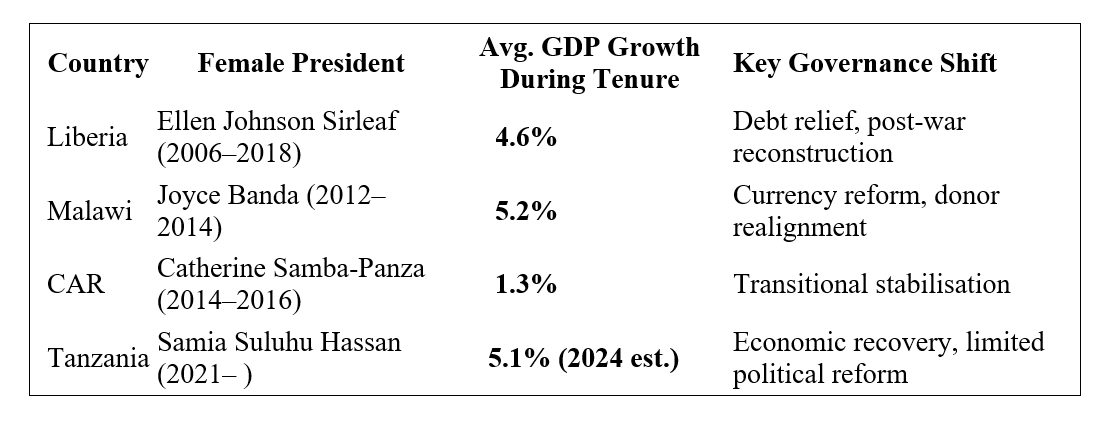
President Samia Suhulu was sworn into office in 2021 during a period of domestic crisis and international isolation. She faced criticism over comments made by the late President Magufuli, which were deemed controversial, particularly his distrust and reference to the coronavirus as a hoax. President Suhulu reopened diplomatic lines, facilitated civic inclusion, and directed a national vaccination operation to contain the coronavirus. Rail and infrastructure expanded, coupled with a GDP growth rate averaging 5.1% over the last three years. Political commons, such as inclusion, accountability, and transparency, are markers of how President Suhulu stabilises a state in a region of high volatility.
In Africa, a handful of women have served as Heads of State. These few rose to the presidency during chaotic periods, either at the height of conflicts or when their states were teetering on the edge of social collapse. But when African women led, what happened?
The Burden of the first – Ellen Sirleaf Johnson (Liberia 2006-2018)
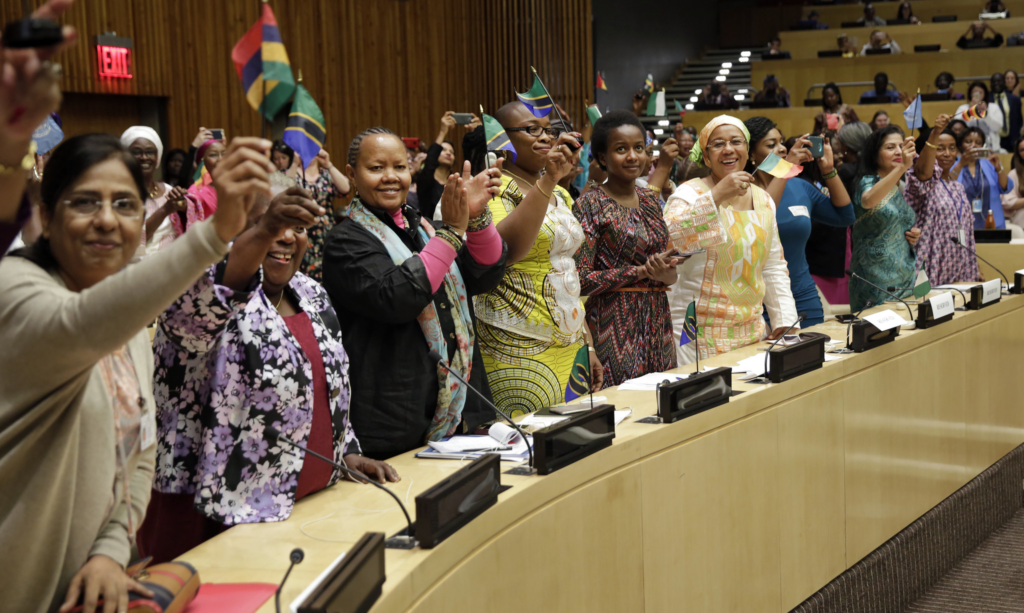
When Johnson-Sirleaf was elected Liberian president in 2006, the Mano River state was emerging from a fourteen-year bloody war. The war tore apart the soul of Liberia, leaving behind dysfunctional institutions and a distraught population. Many Liberians lived in exile, with the majority being internally displaced.
The Liberian presidency required an economic revival plan to turn around a debt-to-GDP ratio of 800 per cent, rebuild investor confidence, and position Liberia for reconstruction and external assistance. Relying on her World Bank and American business connections, Sirleaf secured debt relief of approximately US$4.6 billion, rebuilt the necessary infrastructure, and reactivated diplomatic and trade relations. Jonson-Sirleaf won the Nobel Peace Prize in 2011 for being an effective voice in steering Liberia from ruin to basic stability. Did these translate into tangibles? Unemployment during her tenure was around 60 per cent, and accusations of favouring political allies were rife.
Leymah Gbowee, fellow Liberian Nobel laureate and peace activist, once remarked that Johnson-Sirleaf did little to advance the cause of women. Gbowee is a former supporter of Johnson-Sirleaf’s election campaigns in 2005 and 2011. Other accusations of corruption during her tenure include allegations that her three sons occupied top positions in Liberia’s oil corporation, national security, and treasury. Johnson-Sirleaf’s international acclaim was met with local economic frustration. She had unresolved issues back home. She was praised for her role in maintaining institutional stability in Liberia’s post-war period and for the smooth transition to the presidency of George Oppong Weah.
Reform and Reversal – Joyce Banda (Malawi, 2012-2014)
The appointment of Joyce Banda as a caretaker president in 2014 resonated with the international community. Credit lines were renewed with the IMF and the World Bank, sending a positive signal across the investment community and capital markets. President Banda devalued the kwacha, and investments began to trickle in.
Barely a year in office, Joyce Banda’s presidency was hit by the “cashgate scandal”, a financial malfeasance that involved the manipulation of the public payroll software system. Between April and September 2013, public servants diverted US$32 million into private accounts. This scandal sank public confidence, crippling her administration. An extended audit conducted by the national audit agency revealed a severely flawed system, exposing how public servants had been siphoning funds since 2009 to the tune of US$250 million. Despite limited personal involvement, the cashgate scandal exposed the fragility of Joyce Banda’s administration, illustrating how reformers, especially women in crisis periods, are held accountable for systemic problems that predate them.
Custodian of Fragility – Catherine Samba-Panza (CAR 2014-2016)
Catherine Samba-Panza’s presidency served as a bridge between collapse and reconstruction, following the overthrow of President Francois Bozizé by Michel Djotodia, whose brief but disastrous rule as the first Muslim Head of State led to his resignation in 2014.
The National Transitional Council appointed Samba-Panza, a lawyer and businesswoman, as the transitional president. Samba-Panza, who is widely respected for her neutrality and record of community activism, was a fitting choice. On assumption of duty, the CAR was in an active state of conflict, had no functioning government outside of its capital, Bangui, and about a million people were displaced. Despite her short tenure, Samba-Panza’s government initiated a process of national reconciliation and organised elections, bringing in President Faustin-Archange Touadera. Unlike Johnson-Sirleaf and Joyce Banda, Samba-Panza advocated for greater female participation in peacekeeping, representation in peace dialogues and encouraged the feminist ethic of conflict resolution.
Shared Pattern: Data and Dilemma of Power
A consistent pattern emerges across all presidencies. Each woman was elected or appointed during a moment of crisis, post-war recovery, democratic transition or institutional rebuilding. Each tenure averaged a period of two and a half years, except for Johnson-Sirleaf, who served for a longer period.
Their tenures were too brief for any structural change, but long enough for scandals to develop. The recurrent cases of conflict, displacement, and refugee issues added a psychological and moral layer to the existential structural problems. These women leaders were dumped into the arena in desperate, fragile, and perilous times. In Africa, nine women have served as presidents, either through election, constitutional succession or interim appointment. H.E. Samia Suhulu is the third elected president of an African state, following in the footsteps of Liberia, Namibia, Tanzania, CAR, Malawi, Ethiopia, Gabon, Burundi and Mauritius. A 2023 Afrobarometer survey indicates that 61% of Africans would vote for a woman as president; however, only 23% believe that a female leader could reduce corruption and promote accountability.
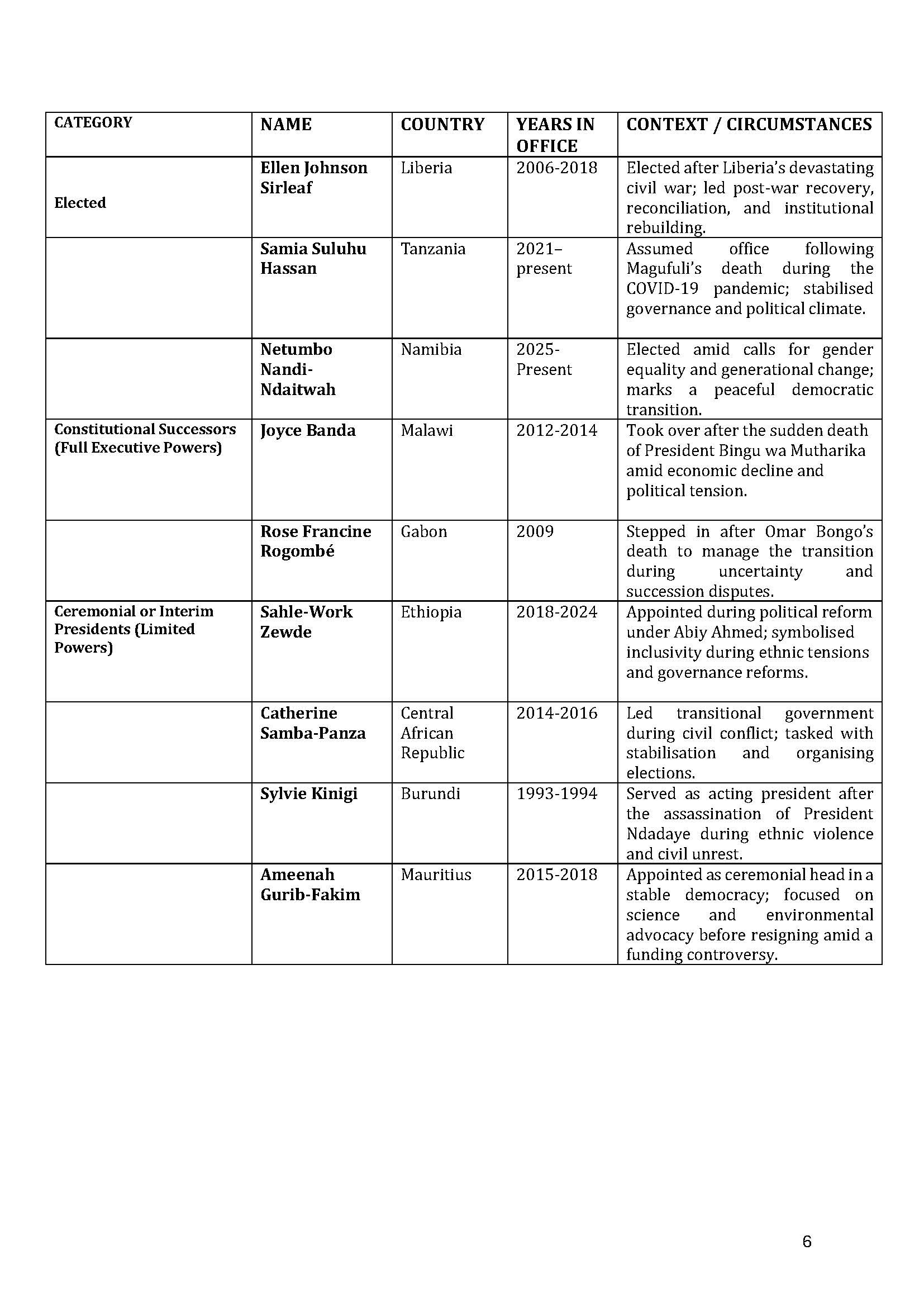
Reform cycles and transition periods gave rise to Africa’s female presidents. Although the brevity of their reign yields short-term economic stability and scandals, the challenges of their tenure are shaped by the limits of Africa’s structural politics, rather than gender.
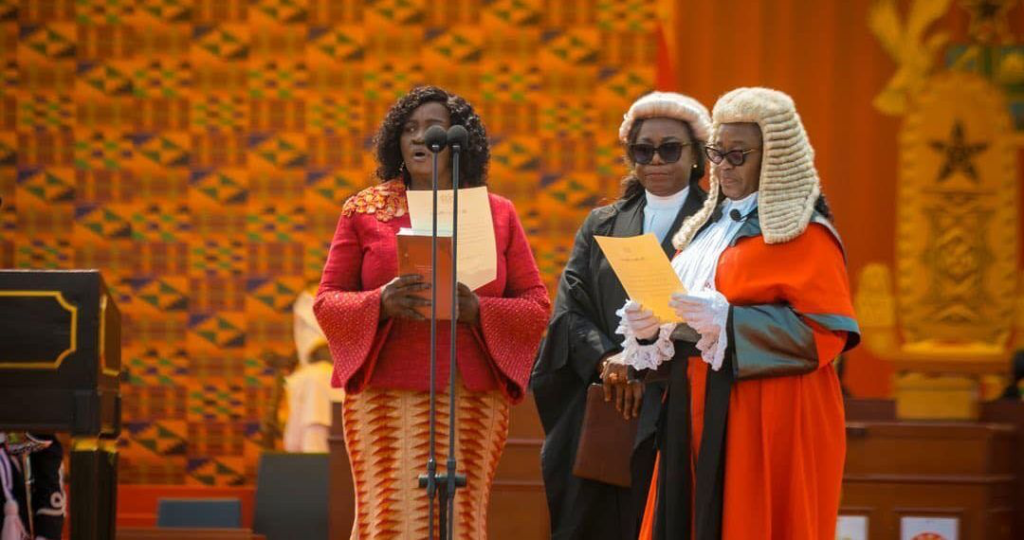
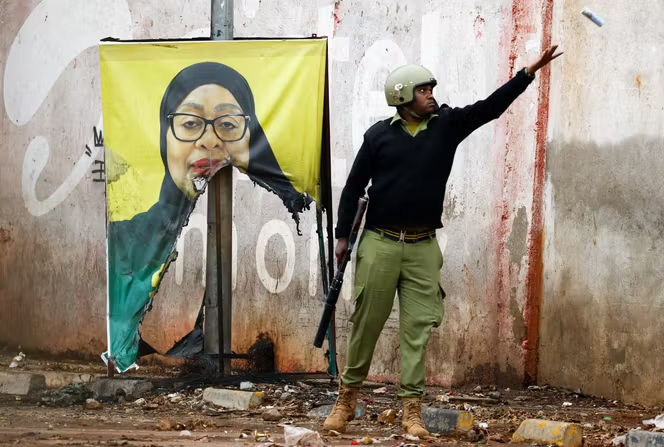
H.E. Samia Suhulu has been sworn in as President, on the back of a bloody post-electoral period resulting in at least 1000 deaths. This is an anti-climax for a woman who had built a reputation for discipline and reform. She may reflect on the bloody aftermath of her election, reshape the narrative of violence, restore confidence, and foster inclusion. Johnson-Sirleaf’s post-war Liberia, Suhulu’s transitional stability, and Joyce Banda’s reformist but short-lived administration in Malawi are a few cases of African women leaders who had to deal with crises and high expectations. Every tenure conveys a fact that is gender-neutral. Political culture, party systems, and accountability frameworks all limit leadership, regardless of who holds it.
Welcome to the Conversation.
Elorm Mawuli-Kwawu | Founder/ Head, Global Engagement
Foreign Africa